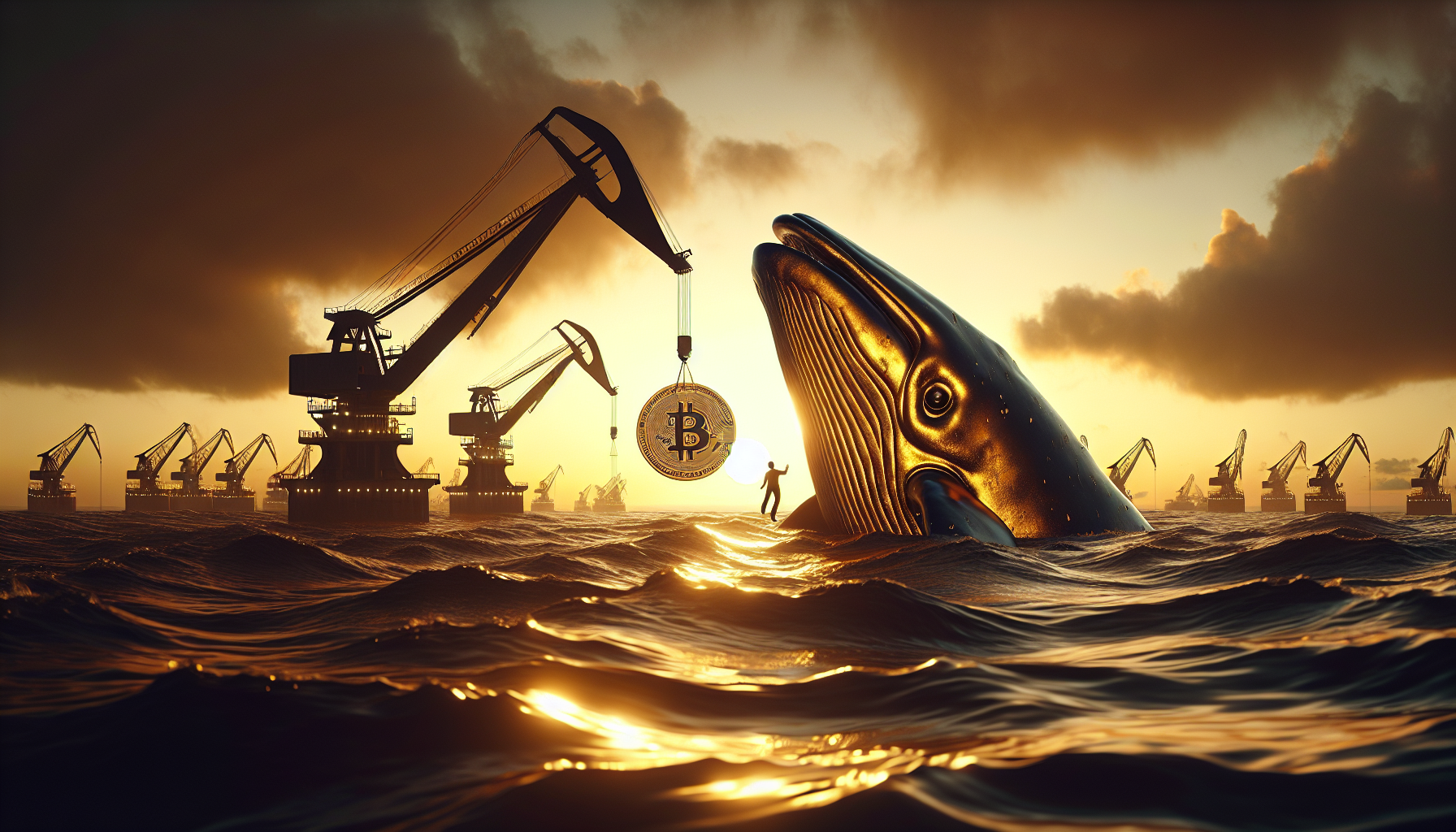

In a notable move within the trading sphere, a prominent figure in the crypto world, known by the moniker Loracle, recently achieved a remarkable profit of $2 million by strategically closing a short position on oil futures. This development not only highlights the growing intersection between traditional commodities trading and the cryptocurrency market but also underscores the potential for savvy traders to capitalize on market fluctuations.
As global oil prices continue to experience volatility due to a myriad of factors—including geopolitical tensions and shifts in supply and demand—traders like Loracle are leveraging their insights to navigate these turbulent waters. The decision to short oil futures indicates a bearish outlook on the commodity, which Loracle successfully executed, reaping substantial rewards in the process.
This profit comes at a time when the cryptocurrency market itself is undergoing significant transformations. With Bitcoin and other digital currencies experiencing renewed interest from investors and institutions alike, many traders are diversifying their portfolios by engaging in various asset classes, including commodities. As the lines between different financial markets blur, the ability to make informed trades across sectors can lead to lucrative outcomes.
Traders are increasingly looking for opportunities beyond the crypto space, especially as they seek to hedge against potential downturns or capitalize on market inefficiencies. Loracle’s $2 million profit serves as a testament to the idea that adept market analysis and timely decision-making can yield significant returns, regardless of whether the assets in question are digital currencies or traditional commodities.
As we move further into an era of interconnected financial markets, the strategies employed by traders like Loracle could inspire others to explore the vast potential that lies within both the crypto and commodities landscapes. With the right approach, the possibilities for profit remain abundant, even amidst the uncertainty that often characterizes these markets.